Carbon peaking and carbon neutrality entered China's government work report for the first time in 2021. Here carbon refers to carbon dioxide: peaking means total emissions reach a historic maximum and then decline; neutrality means human-caused emissions and removals balance over a defined period. At the 75th UN General Assembly in 2020, China announced its aim to peak emissions before 2030 and achieve neutrality before 2060.
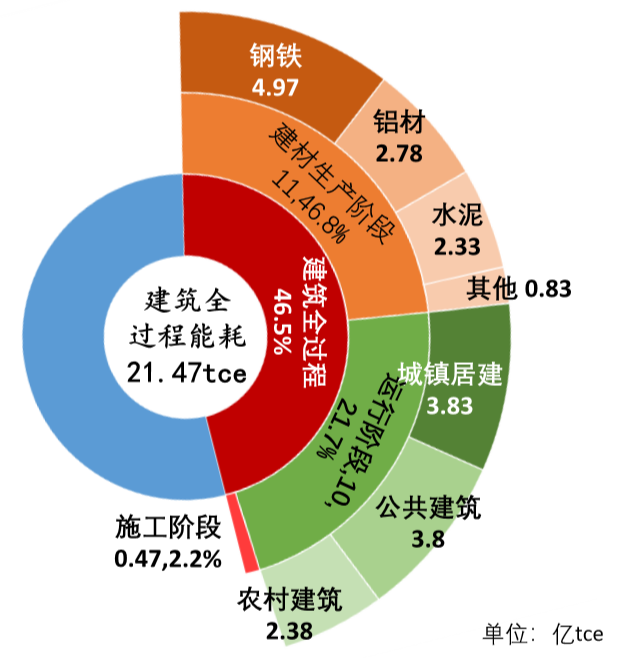
The China Building Energy Consumption Research Report 2020 states that whole-process building emissions reached 4.93 billion tonnes in 2018, or 51.3% of national emissions. Green buildings are important to meeting the sector's goals. The original article reports that prefabrication can save 90% of water and reduce waste, residues and air pollution by 70% compared with conventional construction.
Prefabricated steel buildings assemble factory-made components on site. Avoiding cast-in-place connections supports faster installation and more controllable quality. Steel's ductility supports seismic performance, its recyclability reduces environmental impact, and smaller beam and column sections can increase usable space. These features are extending its use from public buildings to housing.
GSIN has collaborated with the China Academy of Building Research, Tsinghua University, Shenzhen General Institute of Architectural Design and Research and Chongqing University on green-building systems for super high-rise, large-span and prefabricated structures.
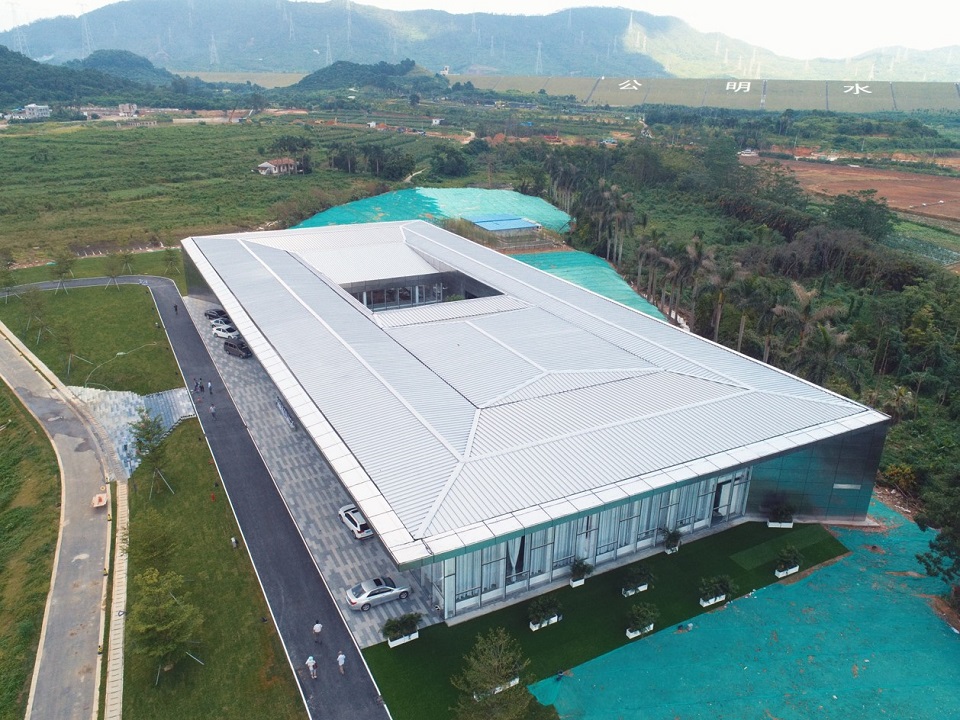
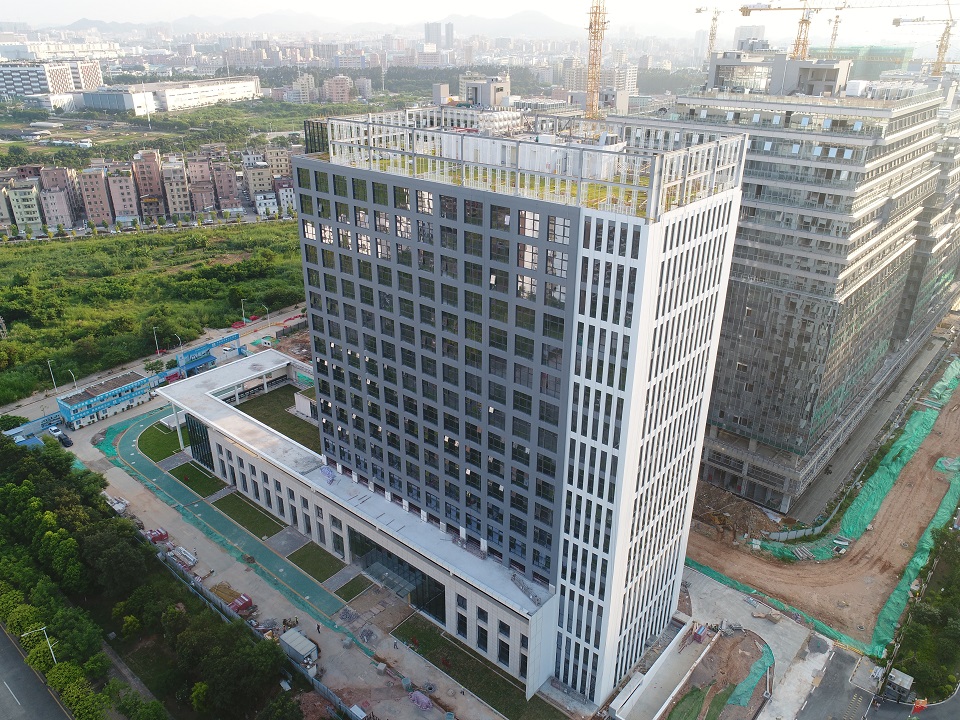
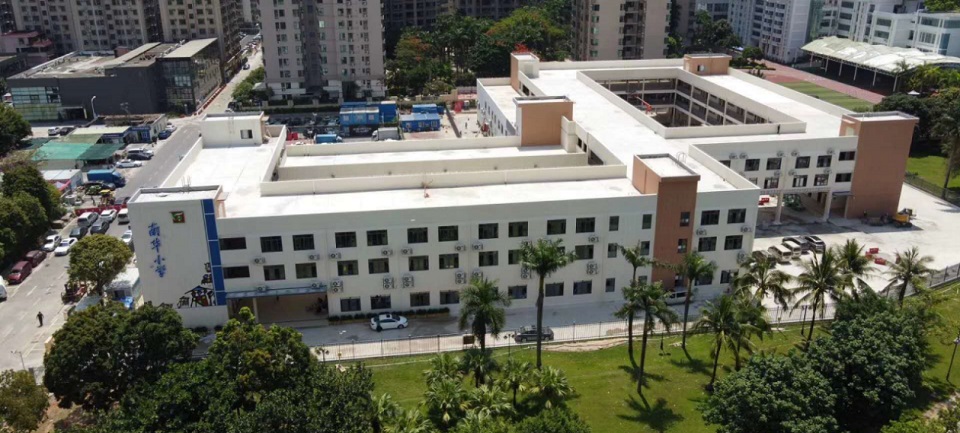
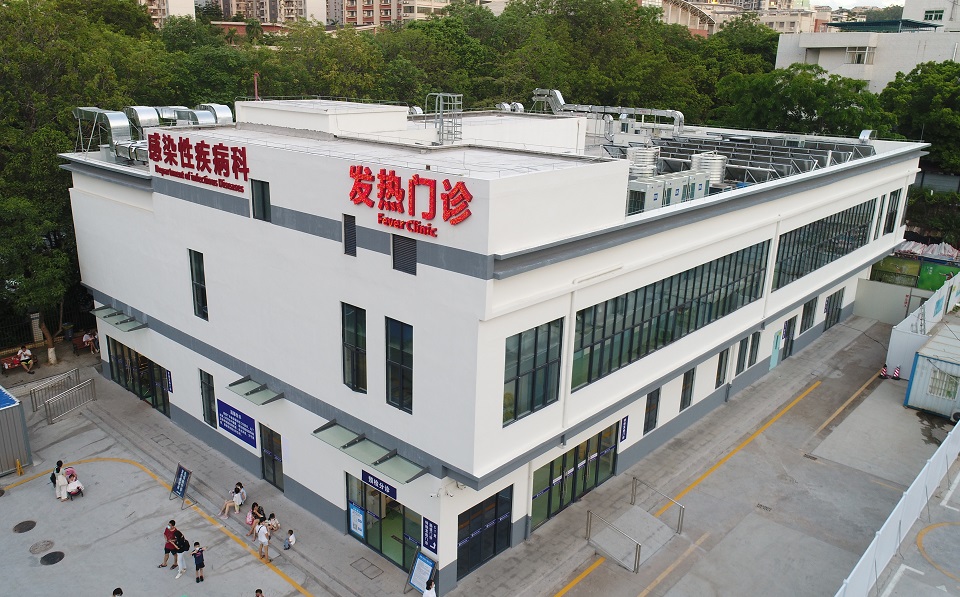
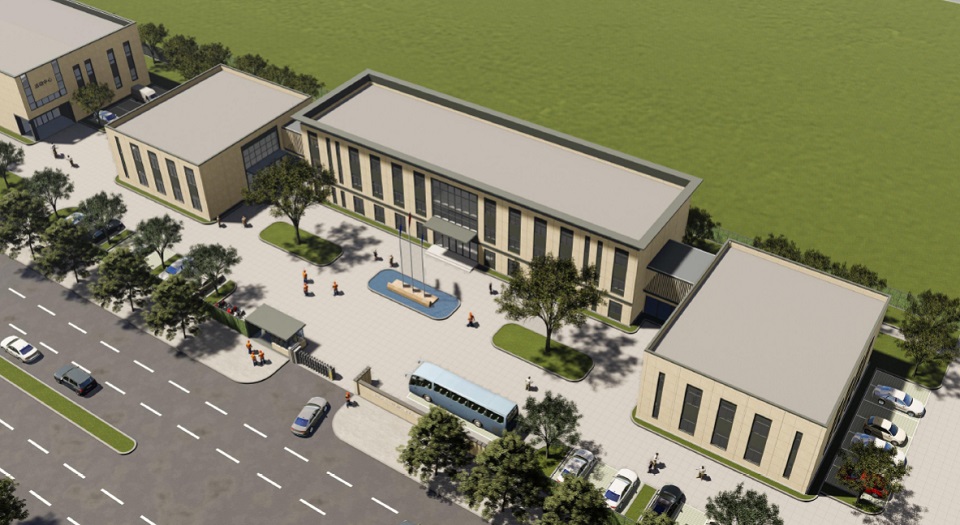
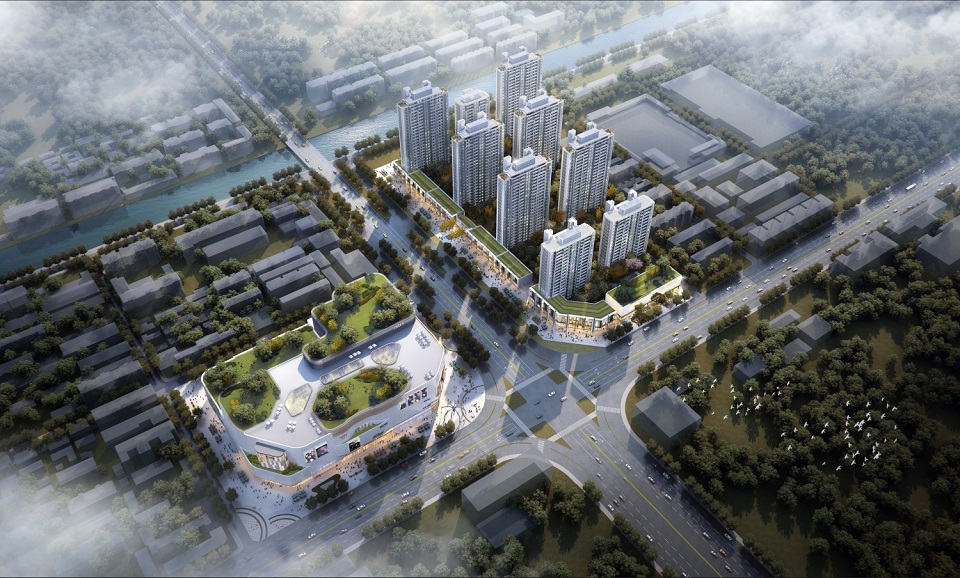
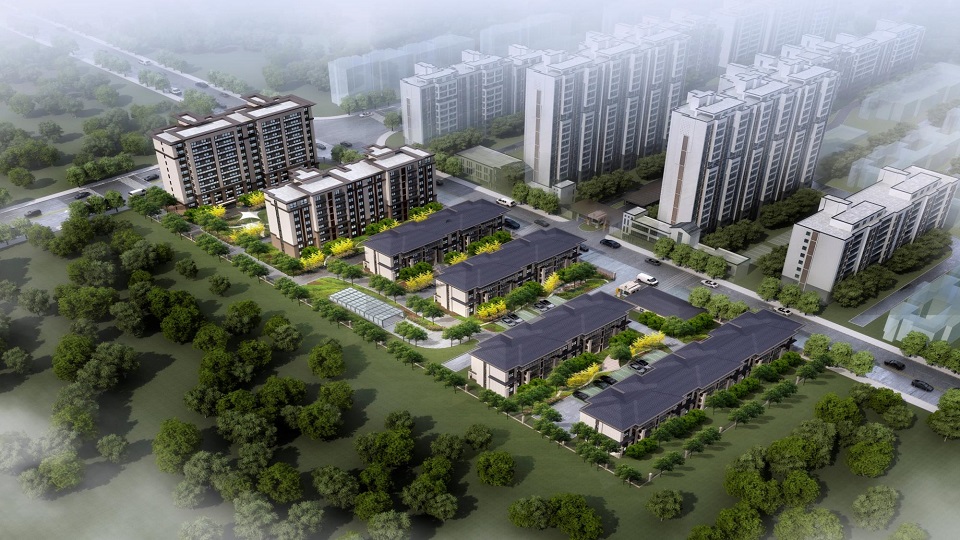
Representative applications include Cumark Tower, a national two-star green building and Shenzhen green-construction demonstration and gold dual-label project; the Third High-Tech Prefabricated School under Shenzhen's Double Ten programme; Longgang District's infectious-disease treatment facility upgrade; temporary buildings at Zhengzhou Incubation Park; and EPC high-rise housing at Ningxi Yuefu in Dongtai and Nanyun Jiayuan in Taizhou.
After more than twenty years in green construction, GSIN continues to pursue safe, comfortable, healthy and durable living spaces and to contribute to carbon-neutral development.