The 2021 Carbon Peaking and Carbon Neutrality Forum and 9th Shenzhen International Low Carbon City Forum took place on 16–17 December 2021. With the theme China's Carbon Path: Green Innovation and Global Action, it was guided by the National Development and Reform Commission and Guangdong government, hosted by Shenzhen government and organized by the city's development and reform commission, ecology and environment bureau and Longgang District government.
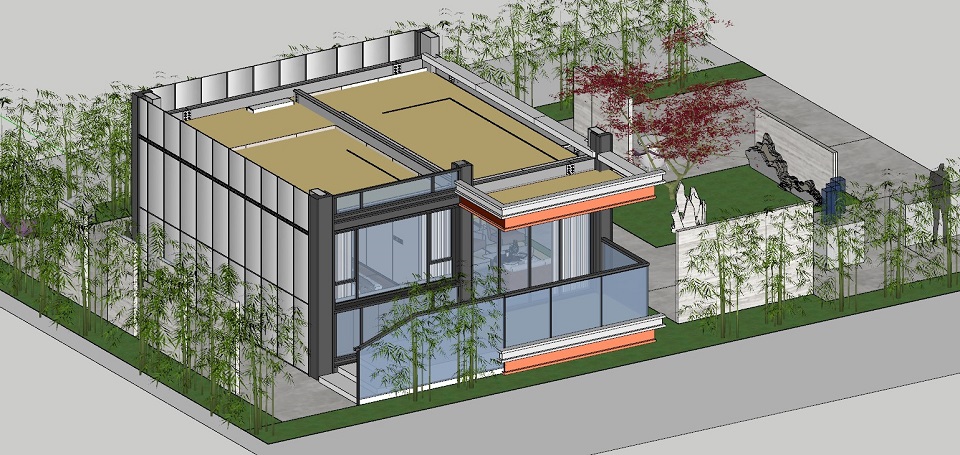
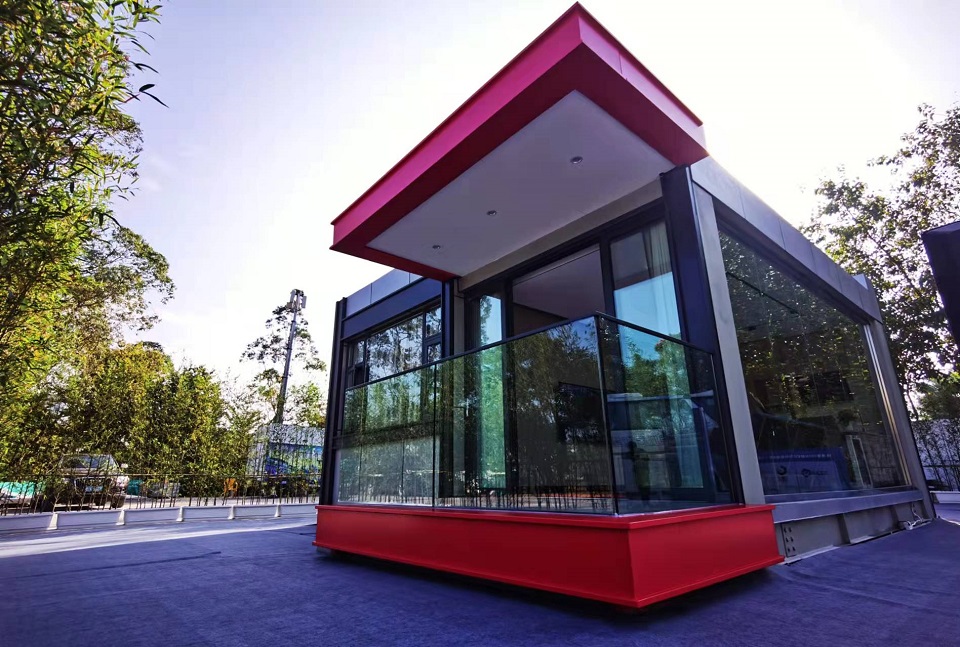
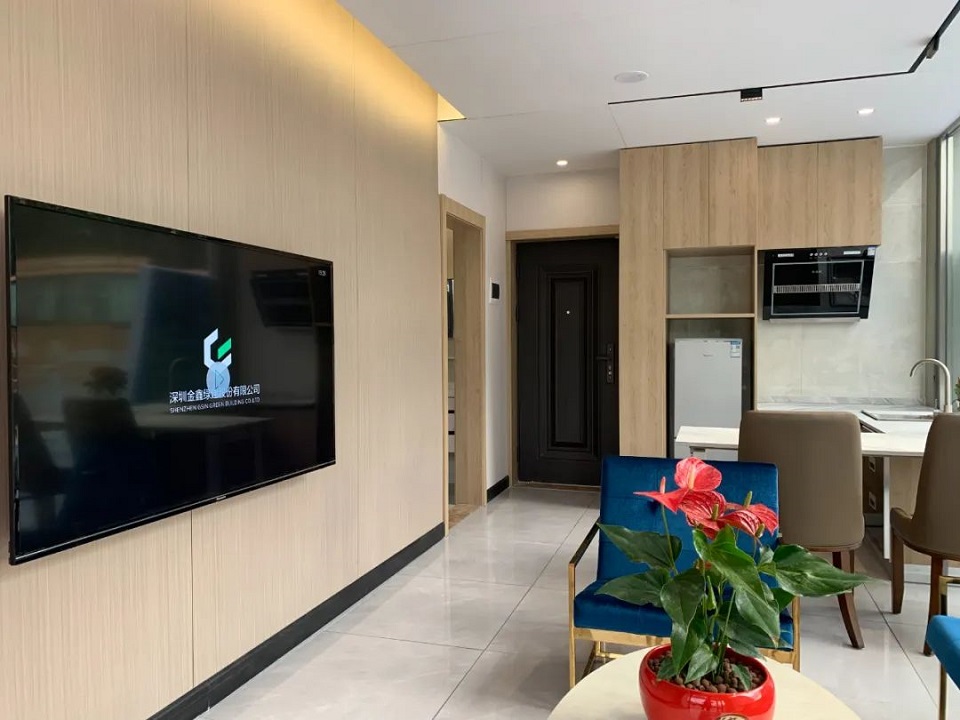
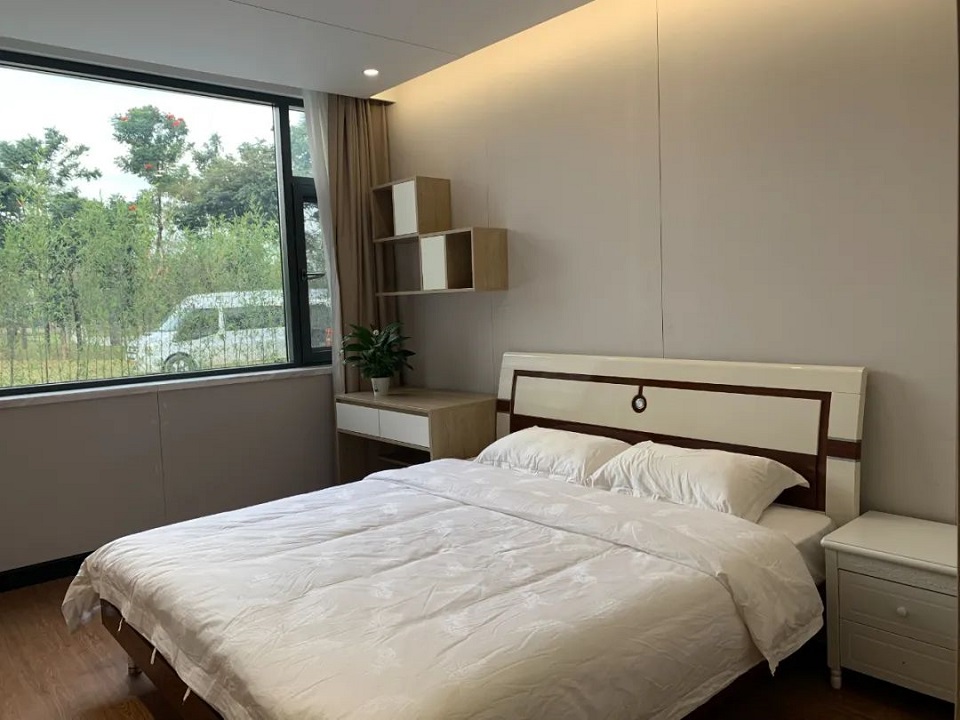
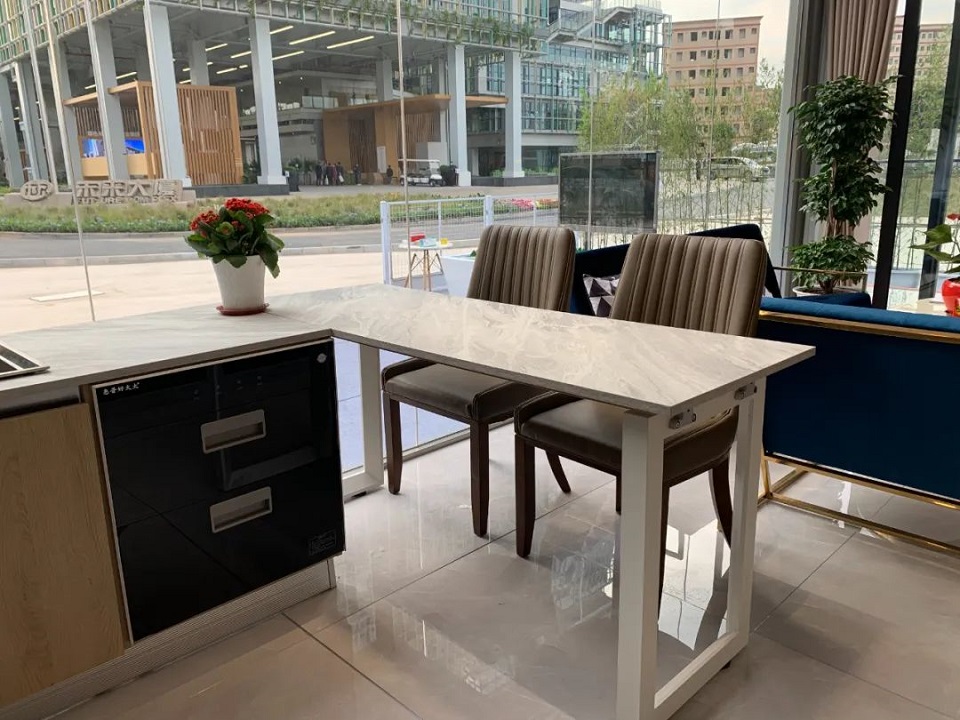
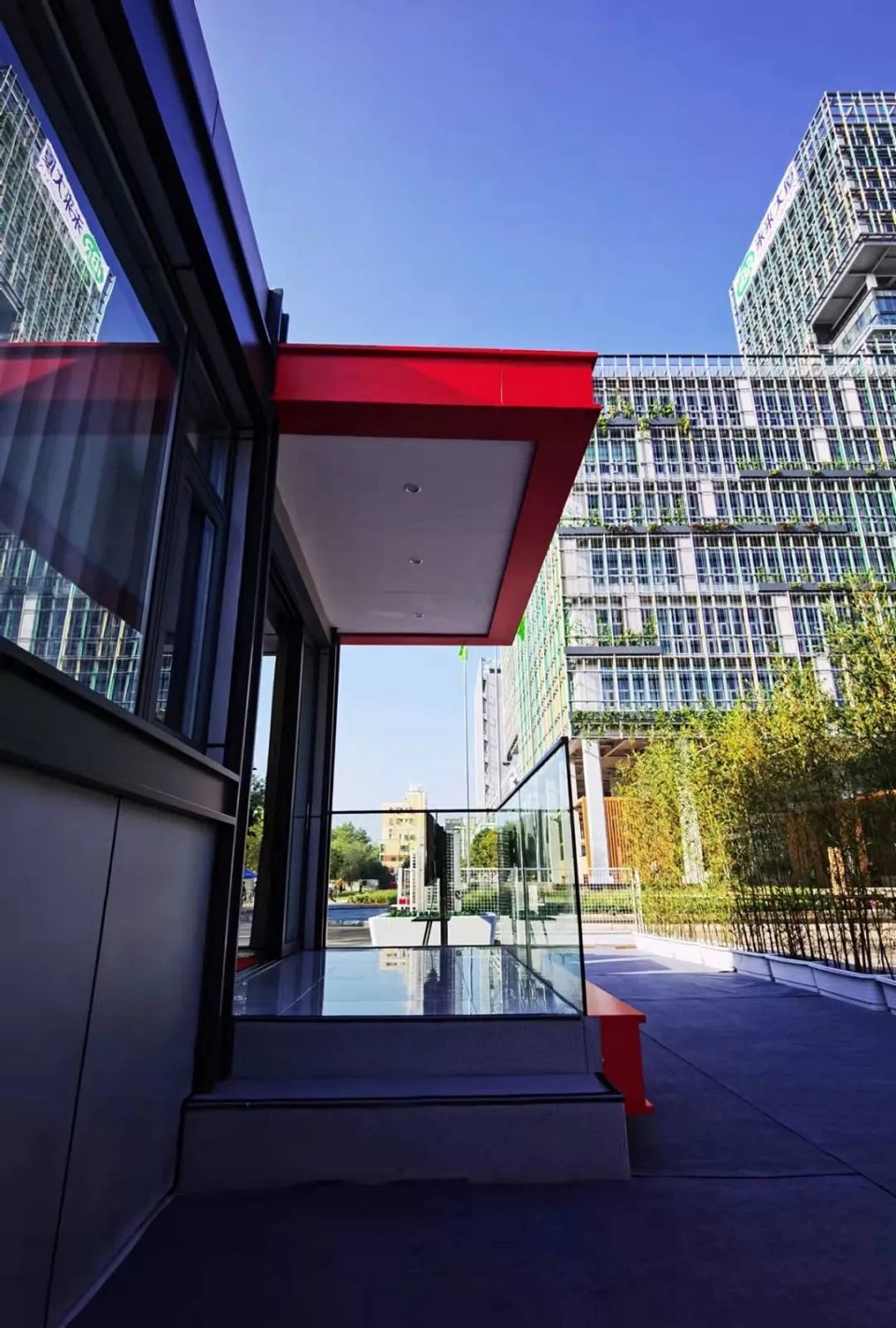
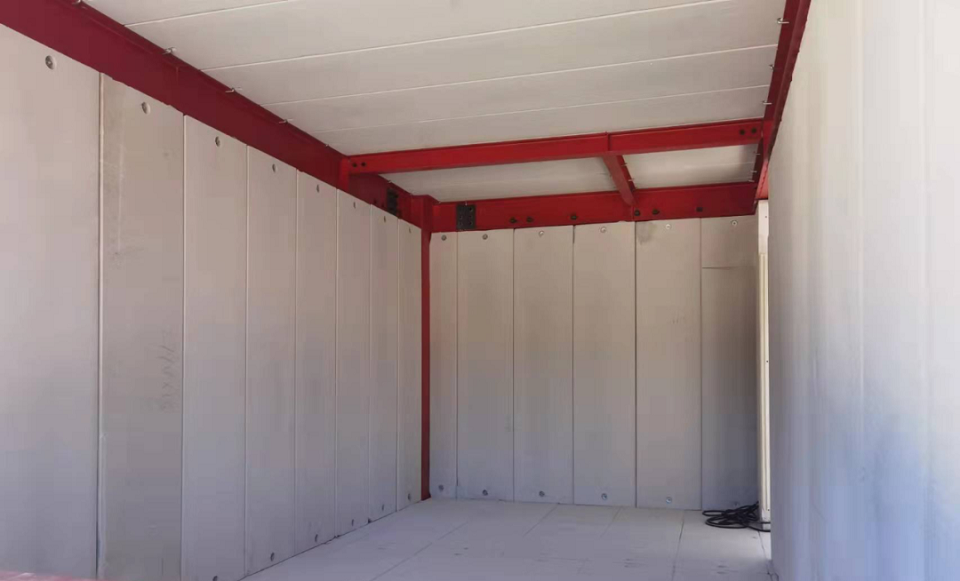
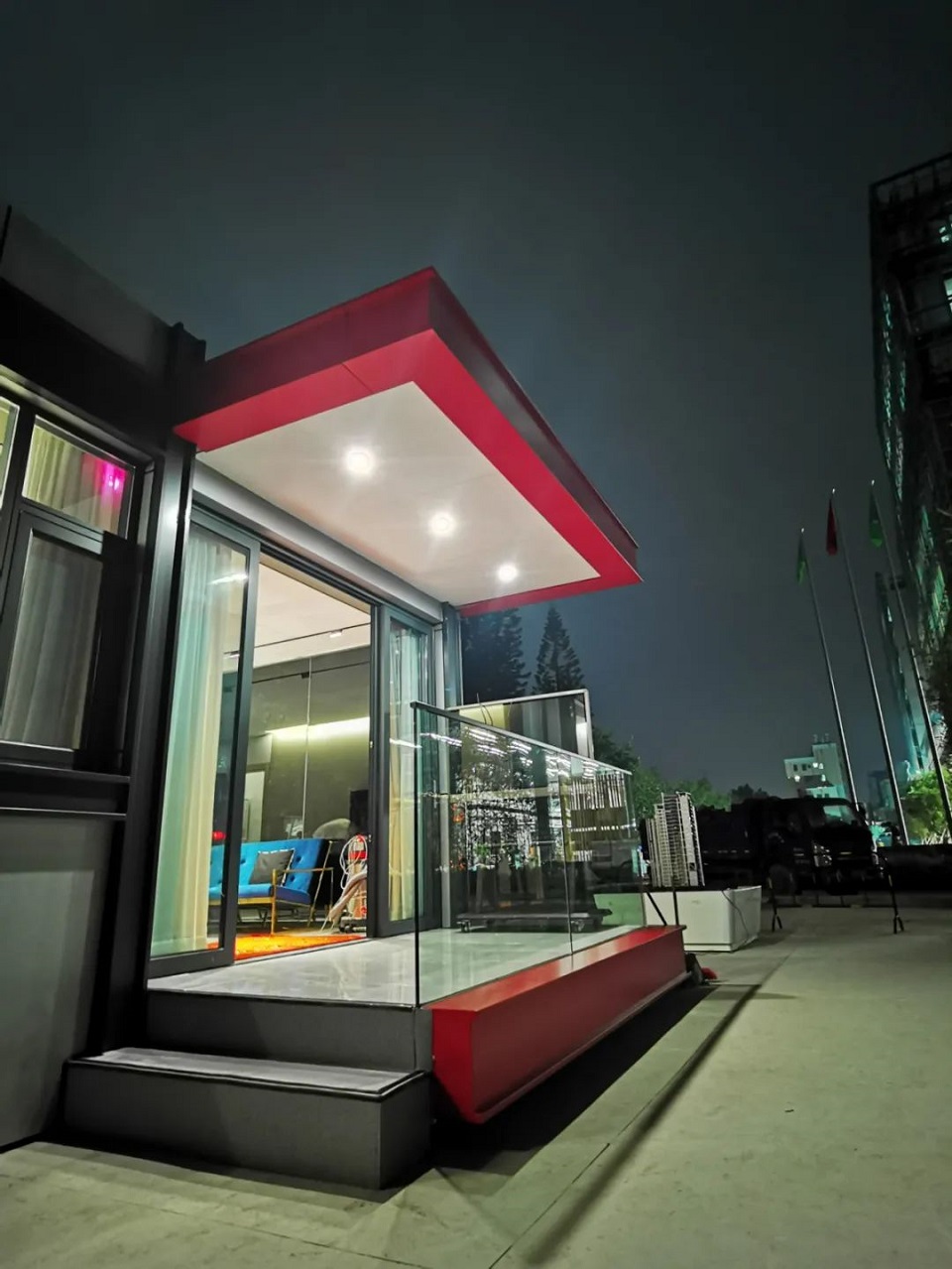
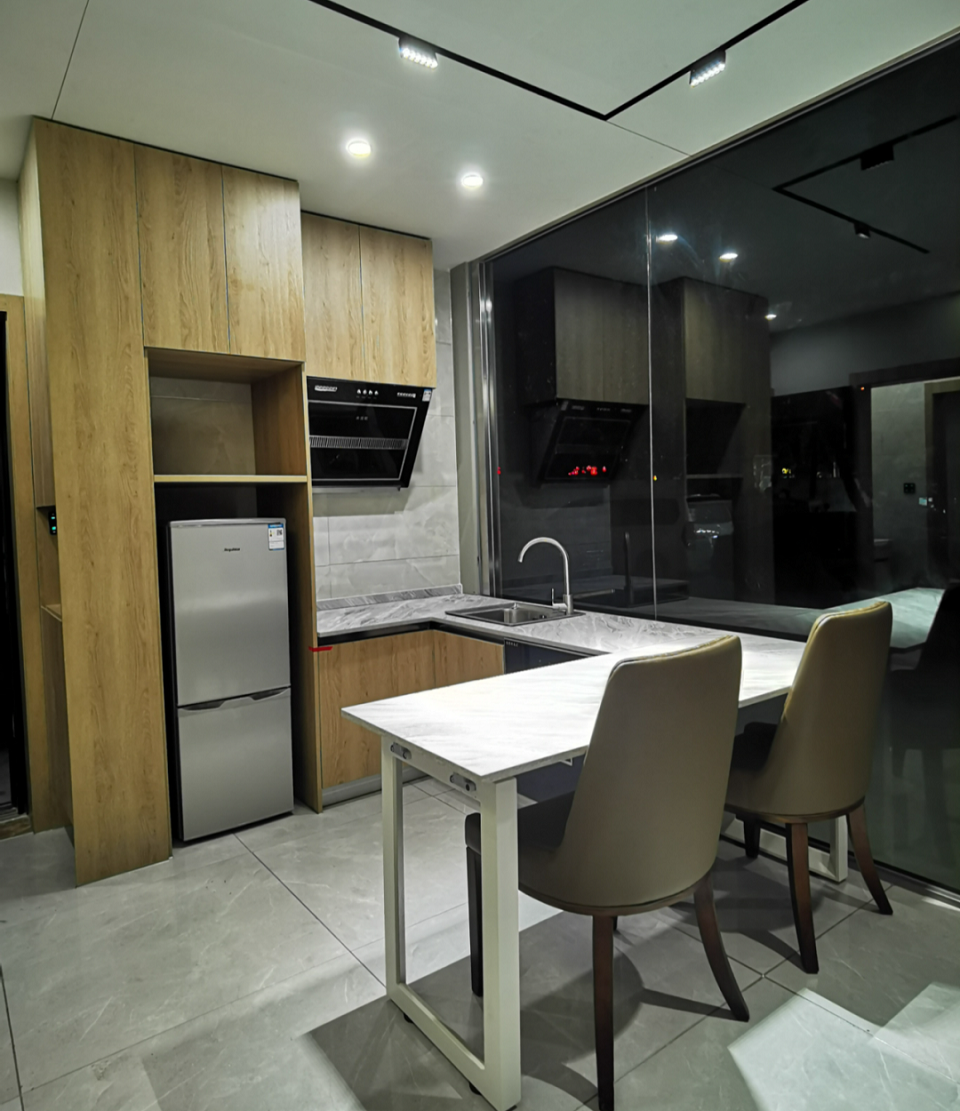
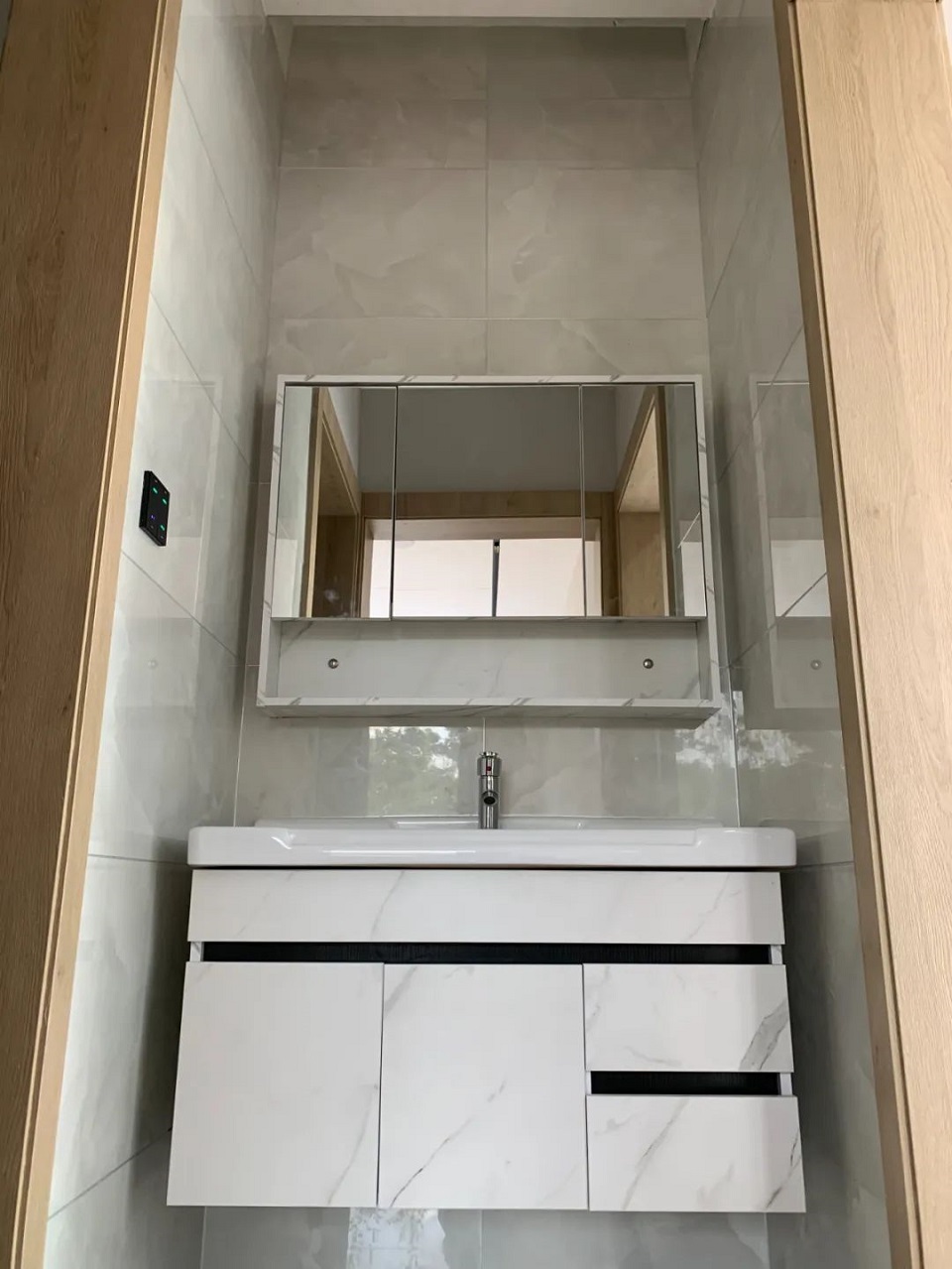
GSIN built and exhibited a low-carbon prefabricated steel public-rental housing module using its internationally advanced complete building technology. The unit, a little over 40 m², has a regular, open layout without intrusive columns or walls, accommodating varied lifestyles. Designed on a 600 mm module, it achieves a 90% prefabrication rate and is an AA-rated Low-Carbon Residential Building Demonstration Project.
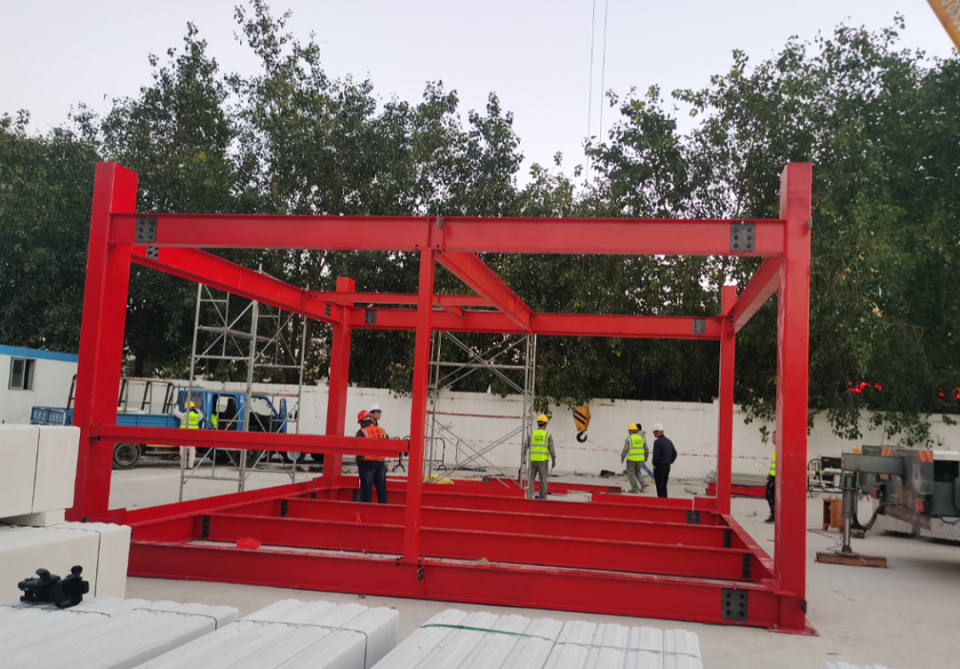
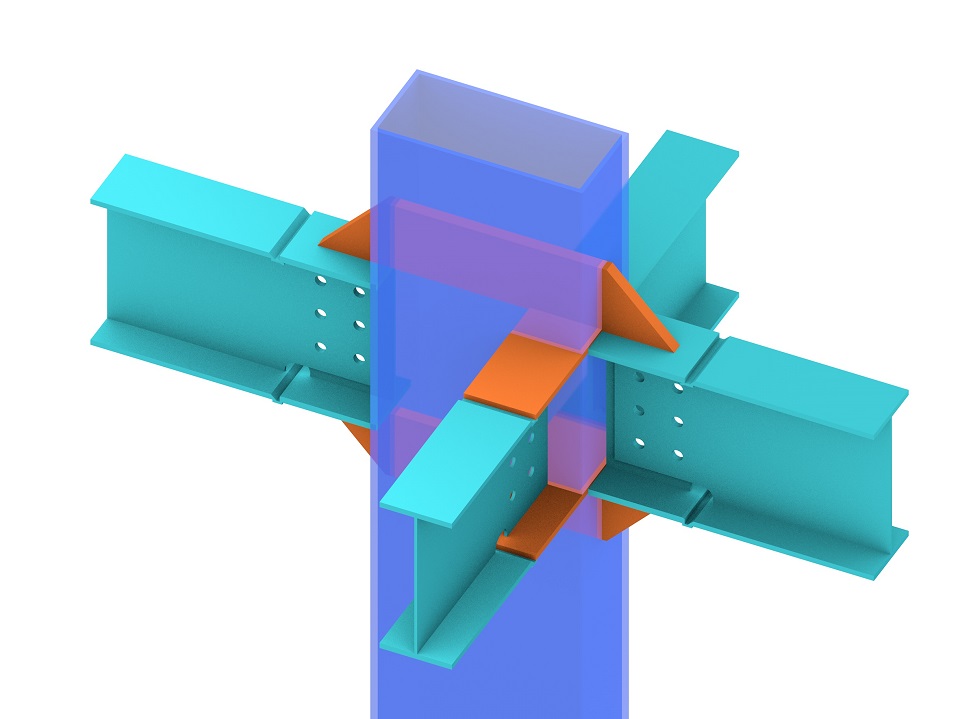
The steel frame uses an innovative through-plate beam–column connection. Vertically arranged stiffeners increase concrete placement and venting space while retaining concealed beams and columns, supporting dense, well-placed concrete inside steel columns.
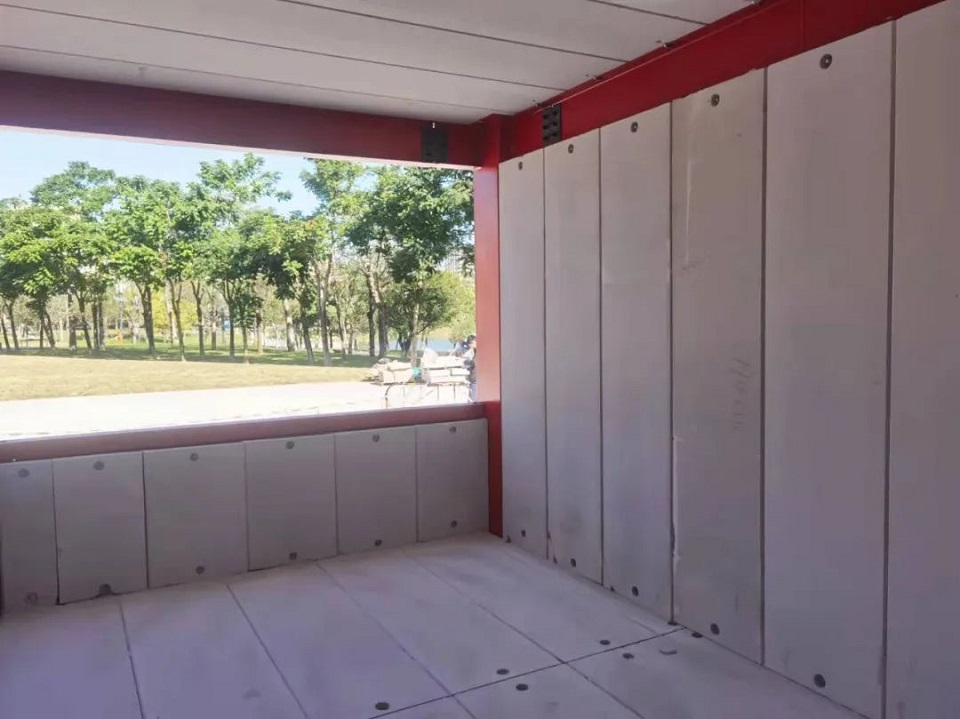
Double autoclaved lightweight concrete exterior wall panels are externally mounted to provide air and water tightness, insulation, acoustics and finish. Inset interior panels use dry construction, saving water and materials while improving installation efficiency and wall finish.
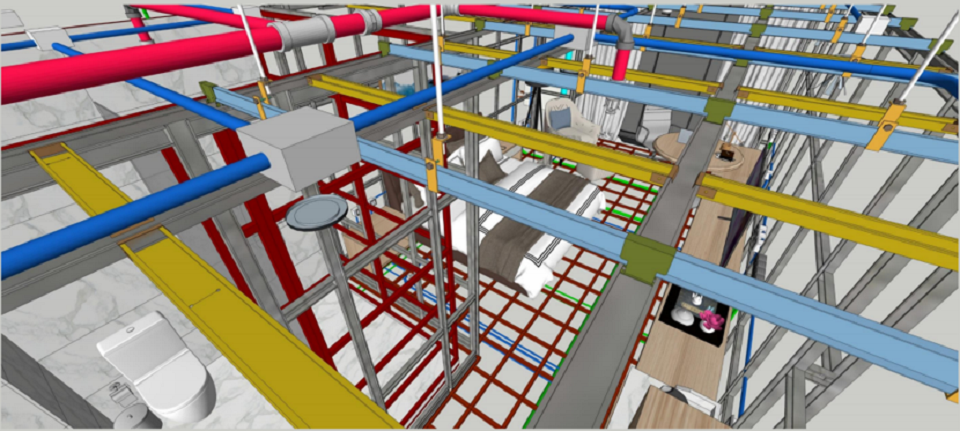
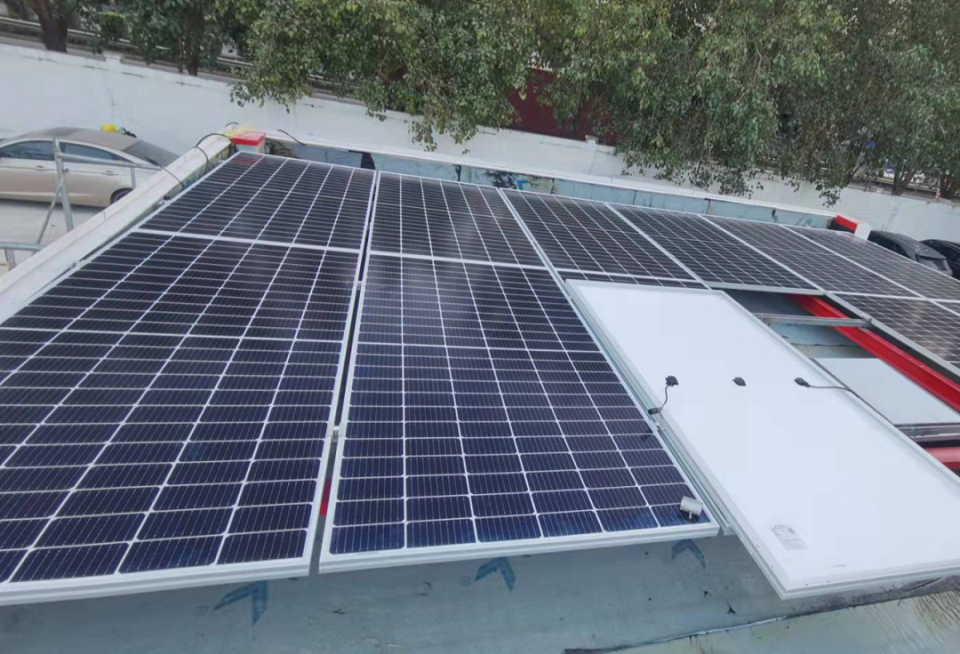
BIM-based services coordinate with the structure, envelope and interiors. Routing through beams and separating services avoids crossing conduits, improves usable space and simplifies maintenance. Interiors use low-carbon substrates and prefabricated installation. Roof-integrated photovoltaics can replace conventional materials or be mounted separately, supporting energy generation, insulation and waterproofing.
After nine years, the forum has become a platform for low-carbon development and quality growth. GSIN will continue research and knowledge sharing in response to ecological civilization and carbon-peaking and neutrality goals.
Special thanks: Shenzhen General Institute of Architectural Design and Research; Xinhui Decoration Technology (Shenzhen); Guangzhou Eternit Building Systems; and Shenzhen Chuangyi New Energy Technology.